Maths
Maths at KEPS
Intent- What do we want for our mathematicians?
At KEPS we provide a high-quality mathematics education, where children are fluent in the fundamentals of the subject. We want children to be excited by the relevance of Maths in the wider world and to use their mathematical fluency, reasoning and problem solving confidently in their day-to-day life. We believe all children can enjoy Mathematics. We celebrate children’s mathematical curiosity by providing a stimulating challenging curriculum.
Implementation - How do we teach it at KEPS?
Resources:
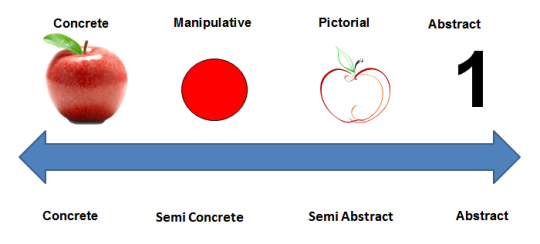
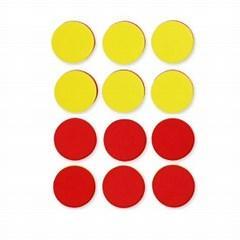
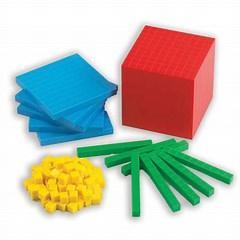
We use the concrete, pictorial and abstract approach in developing knowledge and understanding. Firstly, by exploring physical objects such as counters, bead strings, ‘deines’ place value counters, apparatus and numicon. Having a concrete ‘hands on’ understanding of these apparatus is essential at KEPS, before we develop pictorial representations, such as part/whole models, bar models, place value charts, number lines, arrays and ten frames. Only when children are fully confident using the physical and pictorial resources, do we expect them to be able to use and understand abstract equations, numbers and symbols.
We follow the National Curriculum making use of rich connections across mathematical ideas to develop fluency, mathematical reasoning and competent problem solving through carefully designed incremental steps.
All children study mathematics daily. The expectation is that the majority of pupils will move through the steps at broadly the same pace and reach (often exceeding) the Key Performance Indicators (these are detailed at the end of this document). Pupils who grasp concepts rapidly, are challenged through being offered rich and sophisticated problems and reasoning challenges (called purple dot challenges) rather than acceleration through new content. We often make use of resources from the NRich or NCETM resources as well as other websites such as ATM ‘Maths Snacks’ to engage the learners in stimulating activities, encouraging curiousity. Children who have completed these challenges are often asked to become a ‘mini teacher’ articulating this understanding to others. Those who are not sufficiently fluent with earlier materials, consolidate their understanding using concrete resources, including additional practice before moving on.
Vocabulary:
Each unit of work will have key vocabulary to be introduced and used. Articulating maths understanding, explaining ideas and using stem sentences is crucial to developing mastery. More information can be found in our calculations policy.
SEND:
Children identified as having SEND related to mathematics, will be taught using a variety of targeted, concrete resources, often practical maths games; pre-teaching of concepts using resources as appropriate. Sometimes children identified with SEND will work within a different year group’s objective as necessary, using a range of learning activities as appropriate to the individuals.
Planning, Coverage and Progression:
Great emphasis is placed on vocabulary and a focus on responding to mathematical questions with a sentence is a key strategy at KEPS. We use White Rose ‘Small steps’ the new DfE maths guidance , a range of textbooks and online resources throughout the school to ensure a curriculum that is specific to each child’s learning needs. Alongside these lessons, an additional 10-15 minutes a day is spent focusing on fluency, through the use of online programs, practice sheets and number games. In Year 3, children are expected to become fluent in number sense so that they can manipulate numbers without counting on fingers, for example, to add 7 to 26, by adding 4 and then the 3. Children then learn to skip count and become fluent in the multiplication and division facts of the 2. 5 and 10 multiplication tables. In Year 4, the children are taught the 4, 8, 3, 6, multiplication and division facts and then the 7 and 9 times tables. In Year 5 and 6 the children consolidate this knowledge and apply it up to 12x12
We use online programs such as ‘Numbots’,to aid number sense and ‘Times Table Rockstars’, both at school and home, to support children’s fluency of basic skills and recall of number facts.
Impact - How do we know that our approach works?
Throughout our maths teaching we draw on the resilience value of our school, encouraging each child to celebrate their progress and face their challenges with an open mind set.
At KEPS, regular and ongoing assessment informs teaching, as well as intervention, to support and enable the success of each child. These feed into our online assessment package. This can take a variety of forms eg informal quizzes, probing questions, end of unit assessments. Teachers use this information to ensure that teacher summative assessments are in line with a standardised score.
From Year 2 onwards, the children take more formal standardized assessments eg NFER and SATS papers.
These factors ensure that we are able to maintain high standards, with achievement at the end of KS2 consistently above the national average and a high proportion of children demonstrating greater depth, at the end of each phase. Value added progress is similarly high. KEPS pupils are able to explain their mathematical thinking, are able to see relationships and make connections to support their reasoning.
Monitoring:
The Curriculum leader looks at planning, evidence in books, does lesson learning walks, speaking to pupils about their learning and discussing with colleagues what has gone well as well as any lessons learnt, to ensure the workload for maths is both manageable and is making an impact on the children’s learning.
Reporting:
At the end of the year, on the annual report to parents, a judgement will be made regarding their child’s attainment relating to the National Curriculum for their year group. For example WTS (Working towards), EX (Expected standard for their age) and GD (Greater Depth).
Review
October 2023
Key Performance Indicators
Year 1
Place Value | |||||||||||||||||||||||||||
Count to and across 100, forwards and backwards, beginning with 0 or one, or from any given number | |||||||||||||||||||||||||||
Count, read and write numbers to 100 in numerals | |||||||||||||||||||||||||||
Identify one more and one less | |||||||||||||||||||||||||||
Addition and Subtraction | |||||||||||||||||||||||||||
Represent and use number bonds and related subtraction facts within 20 | |||||||||||||||||||||||||||
Add and subtract one-digit numbers using the part-whole method for support | |||||||||||||||||||||||||||
Use fact families to link addition and subtraction | |||||||||||||||||||||||||||
Multiplication and Division | |||||||||||||||||||||||||||
Count in Multiples of 2, 5 and 10 | |||||||||||||||||||||||||||
Begin to solve one step problems, by calculating the answer using concrete objects, pictorial representations and arrays | |||||||||||||||||||||||||||
Fractions | |||||||||||||||||||||||||||
Recognise, find and name a half as one of two equal prts of an object, shape or quantity and a quarter as one of four equal parts | |||||||||||||||||||||||||||
Measures | |||||||||||||||||||||||||||
Compare, describe and solve practical problems for lengths and heights eg long/short, longer/shorter, tall/short, double/half | |||||||||||||||||||||||||||
Compare, describe and solve practical problems for mass/weight eg heavy/light, heavier than, lighter than | |||||||||||||||||||||||||||
Compare, describe and solve practical problems for capacity and volume eg full/empty, more than, less than, half, half full, quarter | |||||||||||||||||||||||||||
Compare, describe and solve practical problems for time eg quicker, slower, earlier, later. | |||||||||||||||||||||||||||
Tell the time to the hour and half past the hour and draws the hands on a clock face to show these times | |||||||||||||||||||||||||||
Recognise and know the value of different denominations of coins and notes. | |||||||||||||||||||||||||||
Geometry | |||||||||||||||||||||||||||
Recognises and names common 2-D and 3-D shapes, including rectangles (including squares), circles and triangles; cuboids (including cubes), pyramids and spheres. Key Performance Indicators Year 2 | |||||||||||||||||||||||||||
Place Value | |||||||||||||||||||||||||||
Partition two-digit numbers into different combinations of tens and ones using apparatus (e.g. 23 is the same as 2 tens and 3 ones which is the same as 1 ten and 13 ones). | |||||||||||||||||||||||||||
Addition and Subtraction | |||||||||||||||||||||||||||
Add 2 two-digit numbers within 100 (e.g. 48 + 35) and can demonstrate their method using concrete apparatus or pictorial representations. | |||||||||||||||||||||||||||
Use estimation to check that their answers to a calculation are reasonable (e.g. knowing that 48 + 35 will be less than 100). | |||||||||||||||||||||||||||
Subtract mentally a two-digit number from another two-digit number when there is no regrouping required (e.g. 74 − 33). | |||||||||||||||||||||||||||
Recognise the inverse relationships between addition and subtraction and use this to check calculations and work out missing number problems (e.g. Δ − 14 = 28). | |||||||||||||||||||||||||||
Multiplication and Division | |||||||||||||||||||||||||||
Recall and use multiplication and division facts for the 2, 5 and 10 multiplication tables to solve simple problems, demonstrating an understanding of commutativity as necessary | |||||||||||||||||||||||||||
Fractions | |||||||||||||||||||||||||||
Identify 1/3, 1/4, 1/2, 2/4, 3/4 and knows that all parts must be equal parts of the whole. | |||||||||||||||||||||||||||
Measures | |||||||||||||||||||||||||||
Use different coins to make the same amount (e.g. pupil uses coins to make 50p in different ways). | |||||||||||||||||||||||||||
Read scales in divisions of ones, twos, fives and tens in a practical situation where all numbers on the scale are given (e.g. pupil reads the temperature on a thermometer or measures capacities using a measuring jug). | |||||||||||||||||||||||||||
Read the time on the clock to the nearest 15 minutes. | |||||||||||||||||||||||||||
Geometry | |||||||||||||||||||||||||||
Describe properties of 2-D and 3-D shapes (e.g. the pupil describes a triangle: it has 3 sides, 3 vertices and 1 line of symmetry; the pupil describes a pyramid: it has 8 edges, 5 faces, 4 of which are triangles and one is a square). Key Performance Indicators Year 3
|
Key Performance Indicators
Year 4
Place Value |
Counts in multiples of six, seven, nine, 25 and 1,000 |
Counts backwards through zero to include negative numbers |
Orders and compares numbers beyond 1,000 |
Rounds any number to the nearest 10, 100 or 1,000 |
Addition and Subtraction |
Solves addition and subtraction two-step problems in context, deciding which operations and methods to use and why |
Multiplication and Division |
Recalls multiplication and division facts for multiplication tables up to 12 x 12 |
Fractions |
Recognises and shows, using diagrams, families of common equivalent fractions |
Counts up and down in hundredths; recognises that hundredths arise when dividing an object by 100 and dividing tenths by 10 |
Rounds decimals with one decimal place to the nearest whole number |
Solves simple measure and money problems involving fractions and decimals to two decimal places[LM1] |
Measurement |
Converts between different units of measure eg kilometre to metre; hour to minute |
Geometry |
Compares and classifies geometric shapes, including quadrilaterals and triangles, based on their properties and sizes |
Identifies lines of symmetry in two dimensional shapes presented in different orientations |
Plots specified points and draws sides to complete a given polygon |
Statistics |
Solves comparison, sum and difference problems using information presented in bar charts, pictograms, tables and other graphs |
Key Performance Indicators
Year 5
Place Value |
Reads, writes, orders and compares numbers to at least 1,000,000 and determines the value of each digit |
Interprets negative numbers in context, counts forwards and backwards with positive and negative whole numbers including through zero |
Addition and Subtraction |
Adds and subtracts whole numbers with more than four digits, including using formal written methods (columnar addition and subtraction) |
Numbers mentally with increasingly large numbers (eg 12,462 - 2,300 = 10,162)* |
Solves addition and subtraction multi-step problems in contexts, deciding which operations and methods to use and why |
Multiplication and Division |
Identifies multiples and factors including finding all factor pairs of a number and common factors of two numbers |
Solves problems involving multiplication and division including using a knowledge of factors and multiples, squares and cubes |
Solves problems involving multiplication and division, including scaling by simple fractions and problems involving simple rates |
Fractions |
Compares and orders fractions whose denominators are all multiples of the same number |
Reads and writes decimal numbers as fractions eg 0.71 = 71/100 |
Reads, writes, orders and compares numbers with up to three decimal places |
Solves problems which require knowing percentage and decimal equivalents of 1/2, 1/4, 1/5, 2/5, 4/5 and those fractions with a denominator of a multiple of 10 or 25 |
Measures |
Converts between different units of metric measure (eg kilometre and metre; centimetre and metre; centimetre and millimetre; gram and kilogram; litre and millilitre) |
Measures and calculates the perimeter of composite rectilinear shapes in centimetres and metres |
Geometry |
Draws given angles and measures them in degrees (0) |
Distinguishes between regular and irregular polygons based on reasoning about equal sides and angles |
Statistics |
Completes, reads and interprets information in tables, including timetables |
Key Performance Indicators
Year 6
Place Value |
Rounds any whole number to a required degree of accuracy |
Uses negative numbers in context and calculates intervals across zero |
Calculation |
Multiplies multi-digit numbers up to four digits by a two-digit whole number using the formal written method of long multiplication |
Divides numbers up to four digits by a two digit number using the formal written method of short division where appropriate, interpreting remainders according to the context |
Solves addition and subtraction multi-step problems in contexts, deciding which operations and methods to use and why |
Fractions |
Uses written division methods in cases where the answer has up to two decimal places |
Solves problems which require answers to be rounded to specified degrees of accuracy |
Recalls and uses equivalences between simple fractions, decimals and percentages, including in different contexts |
Ratio and proportion |
Solves problems involving the calculation of percentages eg of measures and calculations such as 15 per cent of 360, and the use of percentages for comparison |
Solves problems involving unequal sharing and grouping using knowledge of fractions and multiples |
Algebra |
Uses simple formulae |
Measurement |
Uses, reads, writes and converts between standard units, converting measurements of length, mass, volume and time. |
Geometry |
Compares and classifies geometric shapes based on their properties and sizes and finds unknown angles in any triangles, quadrilaterals and regular polygons |
Postion and Direction |
Draws and translates simple shapes on the coordinate plane and reflects them in the axes |
Statistics |
Calculates and interprets the mean as an average |
Interprets pie charts and line graphs and uses these to solve problems |